最新文章
50Models Keep Getting Bigger. Why Do We Still Need GPU Partitioning?
Bigger models make GPU partitioning matter more.
阅读全文 02
02KubeCon Returns to Shanghai - Cloud Native at the Crossroads of the AI Era
Returning to Shanghai after eight years, I see cloud native becoming the infrastructure foundation for AI.
阅读全文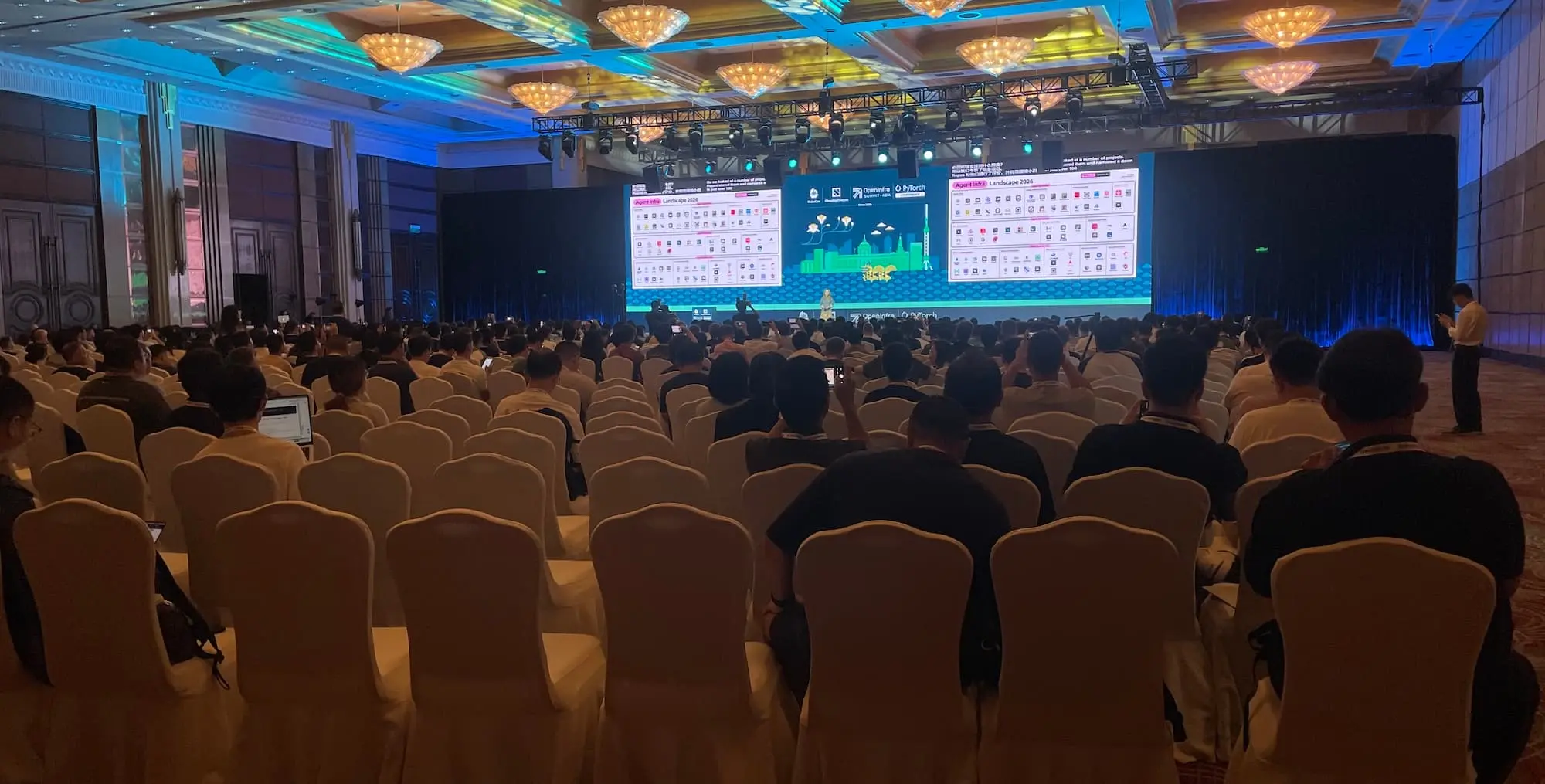 03
03Why GPU Scheduling Matters: From the Scheduling Landscape to Verifying HAMi mutex Semantics
Why GPU scheduling matters: how the default scheduler misses node, card, and topology placement, how HAMi v2.10 fills the gaps, and what mutex really means on kind.
阅读全文 04
04HAMi-core and KAI Scheduler: GPU Sharing Moves from Allocatable to Governable
GPU sharing is moving from soft allocation to governance—scheduling decisions and runtime isolation can finally be reconciled.
阅读全文 05
05Terms of Service
Terms of service for using jimmysong.io and its content, including the CC BY 4.0 license.
阅读全文Privacy Policy
Privacy policy for jimmysong.io describing what data is collected and how third-party services are used.
阅读全文HAMi Community Evolution: When AI Writes Code, What Makes an Open Source Community Valuable?
A long-term participant's observation on HAMi's growth (2021 open source, 2024 CNCF Sandbox, 2026 CNCF Incubating) and what makes an open source community valuable in the AI era — AI lowers the cost of producing code, but not the cost of building consensus. Tomorrow's maintainers are consensus builders.
阅读全文Cloud Native Community China Is Officially Established
Cloud Native Community China, part of the CNCF global community network, is now live.
阅读全文After HAMi Became a CNCF Incubating Project: Open Source Is Moving from Code to Consensus
Code is cheap; consensus is the new scarce good.
阅读全文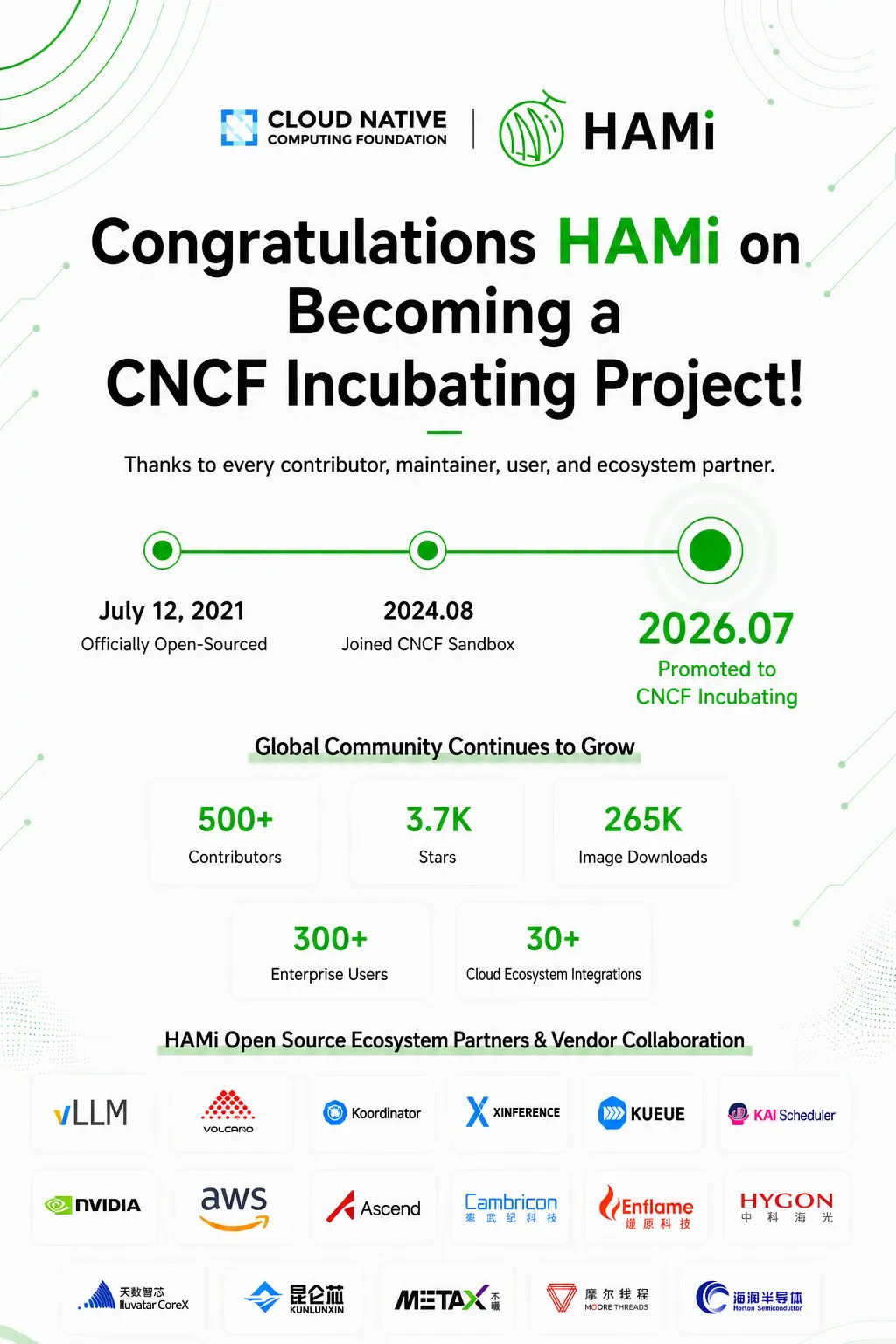 10
10Olares and HAMi: A New Inflection Point for Desktop AI Workstations
HAMi moves from cluster to desktop with Olares.
阅读全文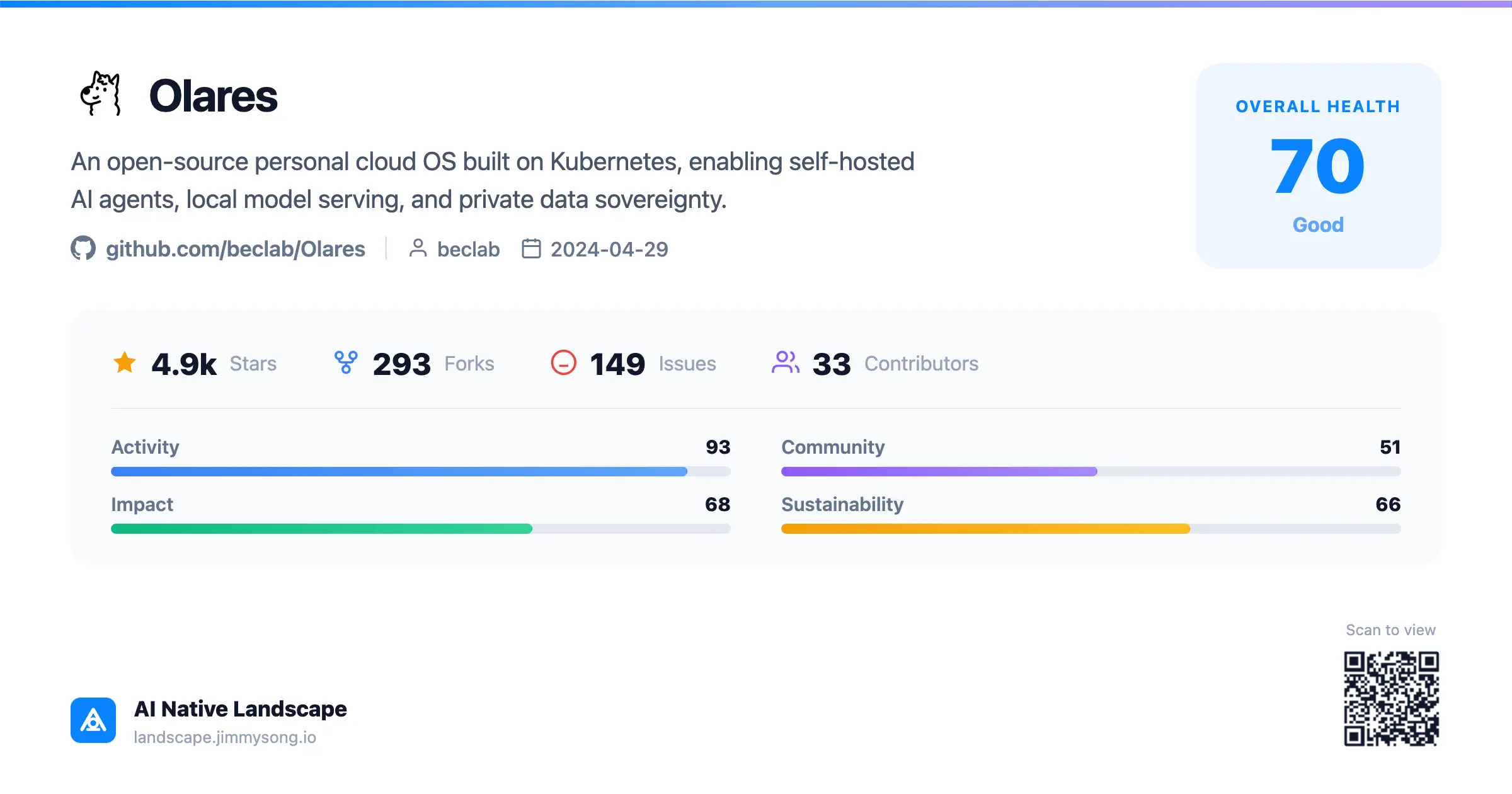 11
11Every Nation Begins with Textiles
From Anji bamboo weaving to industrialization
阅读全文 12
12Why GPUs Became the Foundation of AI: A GPU Primer for K8s Veterans
A GPU explainer for Kubernetes veterans new to AI. Maps token, model, training, inference, Transformer, Tensor Core, HBM, and KV cache to concepts you already know.
阅读全文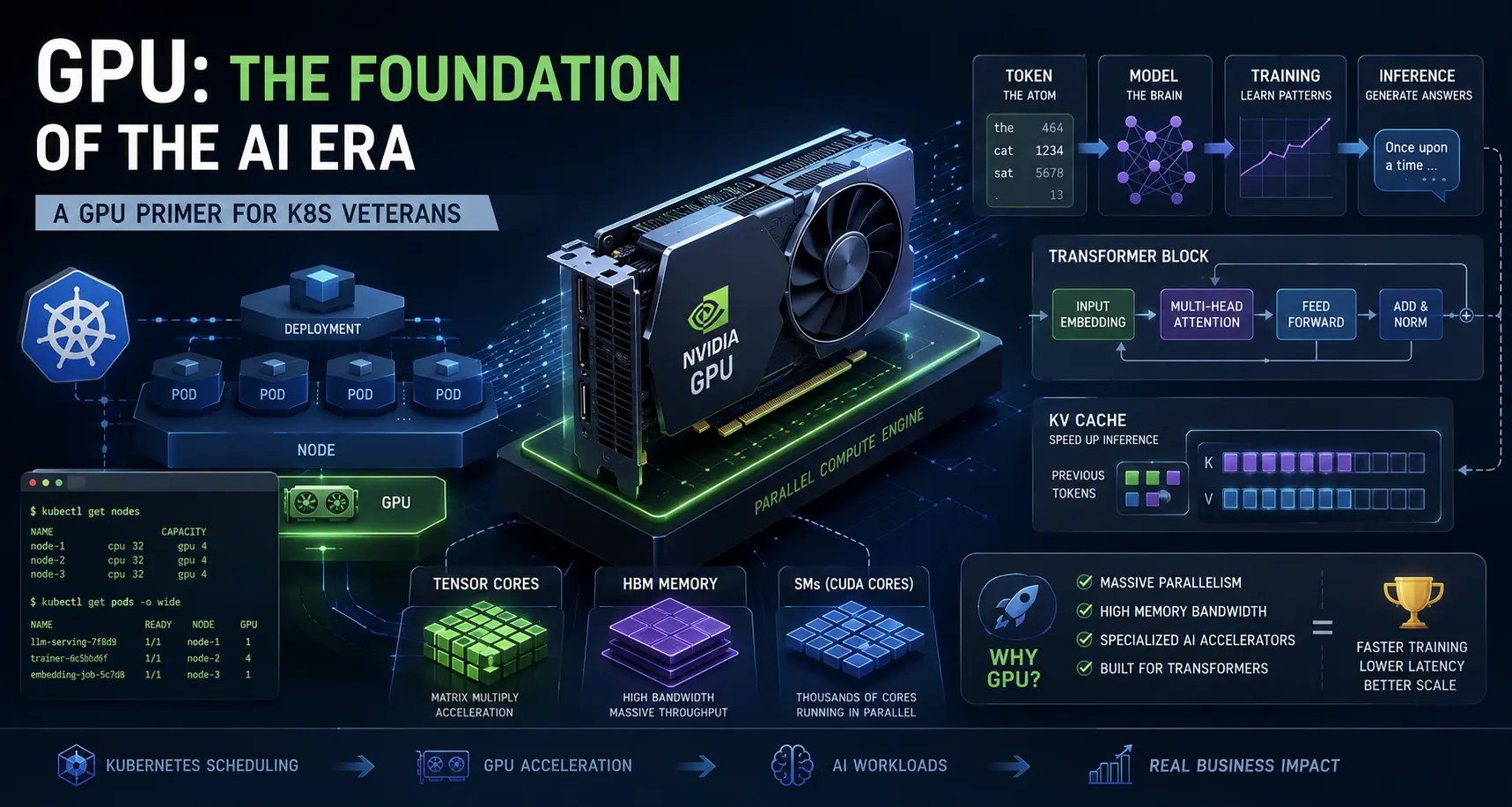 13
13GPU Utilization Is Breaking: AI Infrastructure Needs a New Definition of Efficiency
From GPU utilization to productive GPU-hours.
阅读全文 14
14When an Agent Becomes a Distributed State Machine: Agentic AI Infrastructure Reliability
A practical AI Infra review of Agentic AI reliability, covering a five-dimension framework, fault tolerance, recovery, observability, and hybrid architecture design.
阅读全文 15
15From GPU to Token: The 8-Layer Observability Stack for AI Infrastructure
From GPU hardware, Kubernetes scheduling, inference engines to token cost — understanding the 8-layer observability architecture for modern AI infrastructure.
阅读全文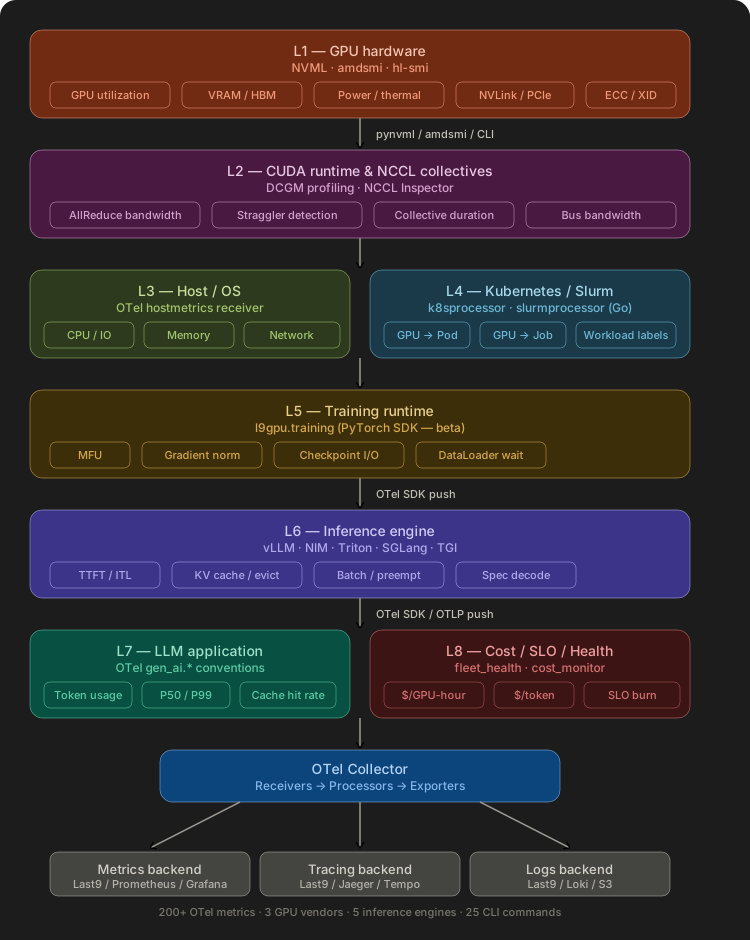 16
16My Personal AI Stack: Building a Continuously Running Personal AI Infrastructure for ~$100/Month
How I built a personal AI infrastructure using ChatGPT, OpenClaw, Obsidian, GitHub, Lark, GLM-5.1, and a Mac mini M4.
阅读全文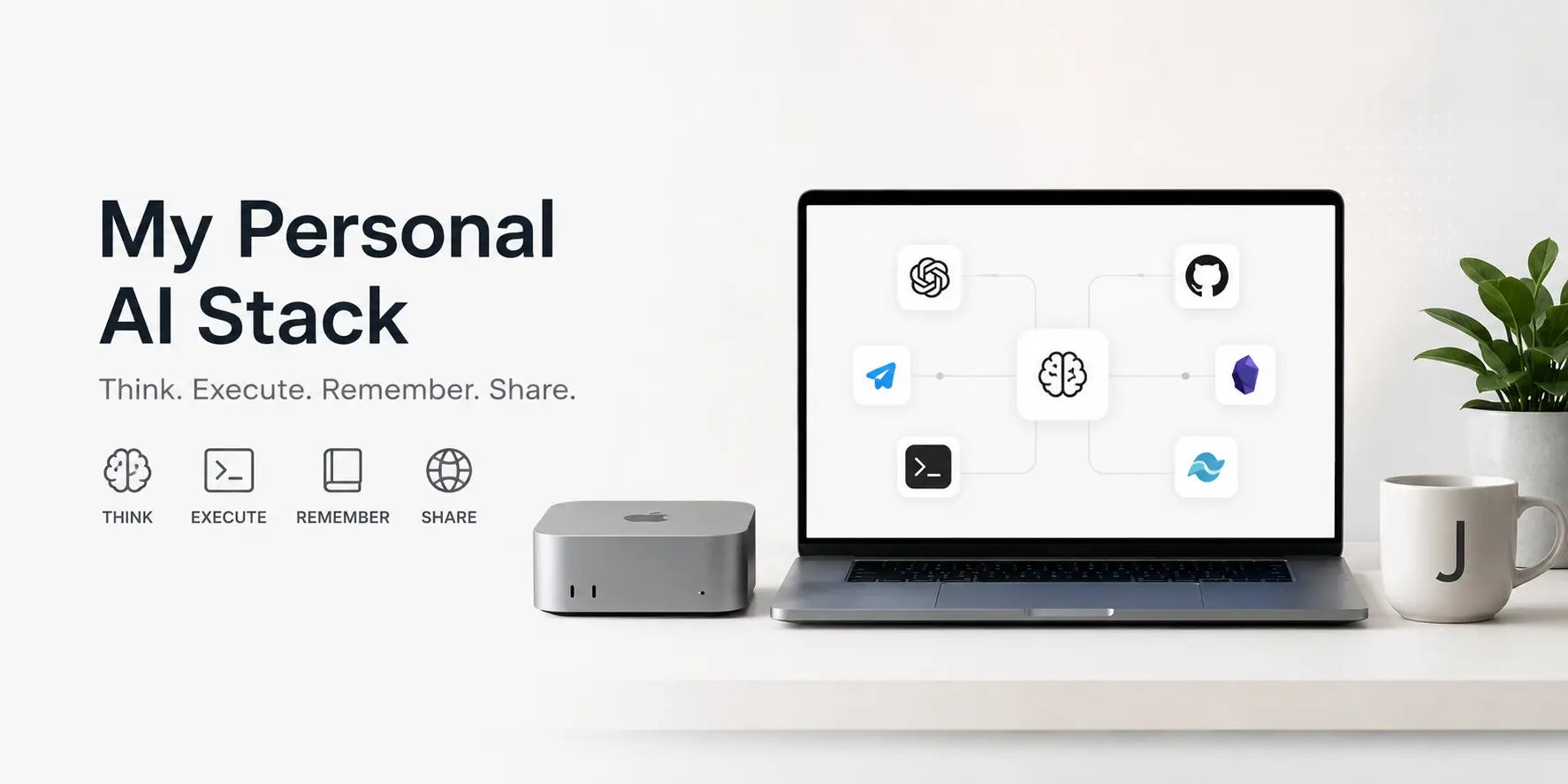 17
17Token Is More Than a Billing Unit, It's Becoming the Resource Unit of the AI Era
The Linux Foundation's Tokenomics Foundation signals a shift: tokens are becoming a core resource in the AI era, much like CPUs in the cloud era.
阅读全文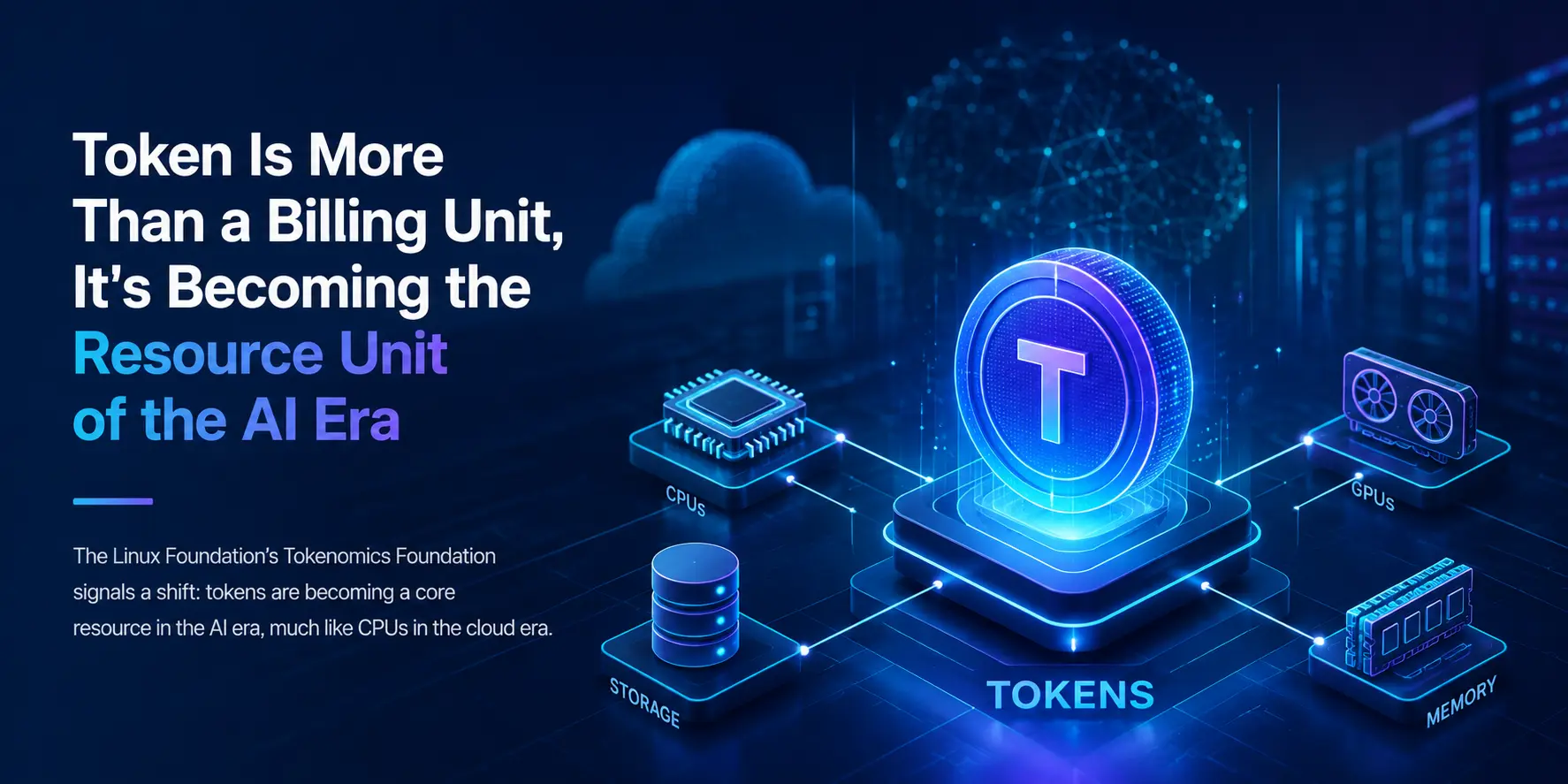 18
18AI Native Landscape Launches as a Standalone Site
AI Native Landscape has moved to landscape.jimmysong.io with 600+ curated open-source projects, AI skill search support, and a call for community contributions.
阅读全文AI Infra Industry Trends: From Compute Bottlenecks to Ecosystem Evolution
A practitioner's perspective on AI infrastructure trends: evolving bottlenecks, roles of CPU/GPU/scheduling, ecosystem shifts, and compute demand across training, inference, and Agent workloads.
阅读全文Kubernetes as the GPU Control Plane: HAMi v2.9 and Next-Gen AI Infra
Observations on the evolution of AI infrastructure control planes, focusing on HAMi v2.9, GPU scheduling, and Kubernetes resource models.
阅读全文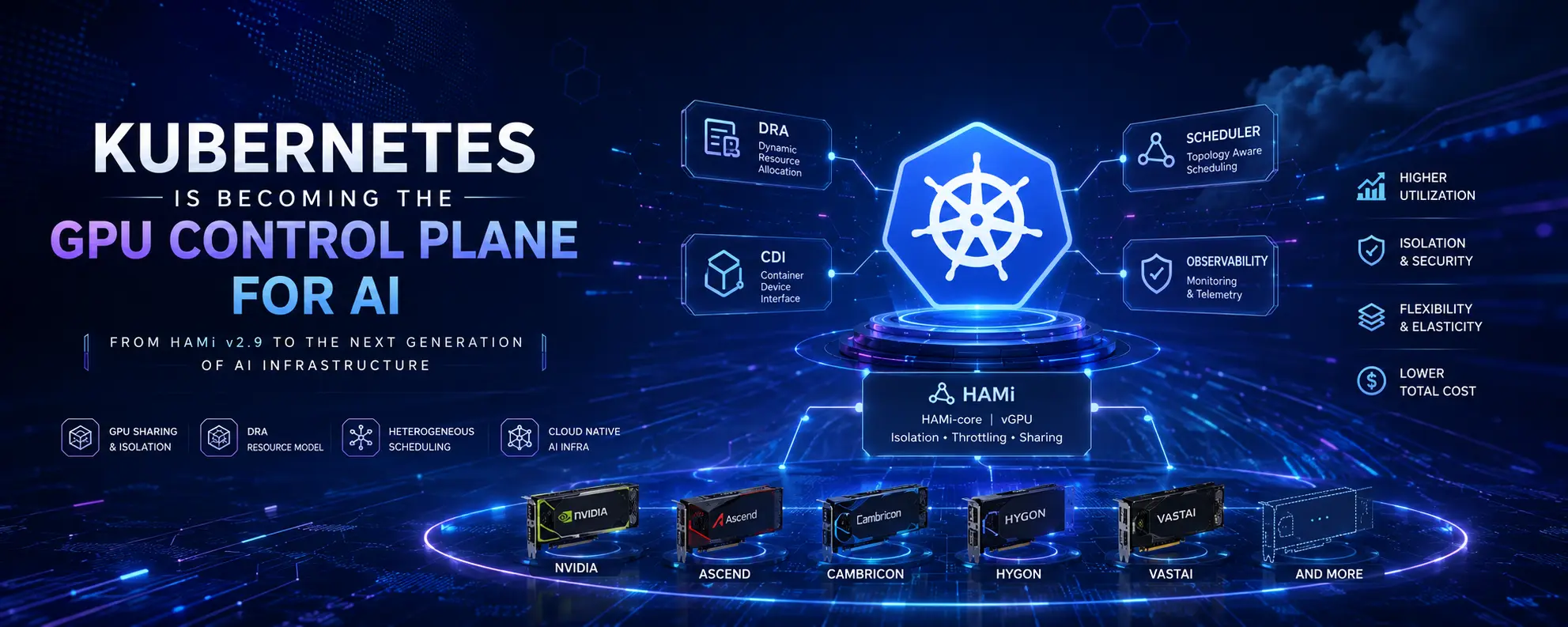 21
21Kubernetes's Anxiety and Rebirth in the AI Wave
At KubeCon EU 2026, I witnessed Kubernetes' anxiety and transformation in the AI era. This article explores the challenges and future opportunities for Kubernetes in the age of AI.
阅读全文 22
22Day One in Amsterdam: Kubernetes Is Rethinking AI
KubeCon Europe 2026 Day One: How Kubernetes is adapting to the AI infrastructure wave and the evolution of the GPU resource layer.
阅读全文 23
23HAMi Website Refactor: Why HAMi Docs and Website Underwent a Complete Redesign
A systematic upgrade to HAMi’s website and docs, improving community visibility, content structure, search, and usability.
阅读全文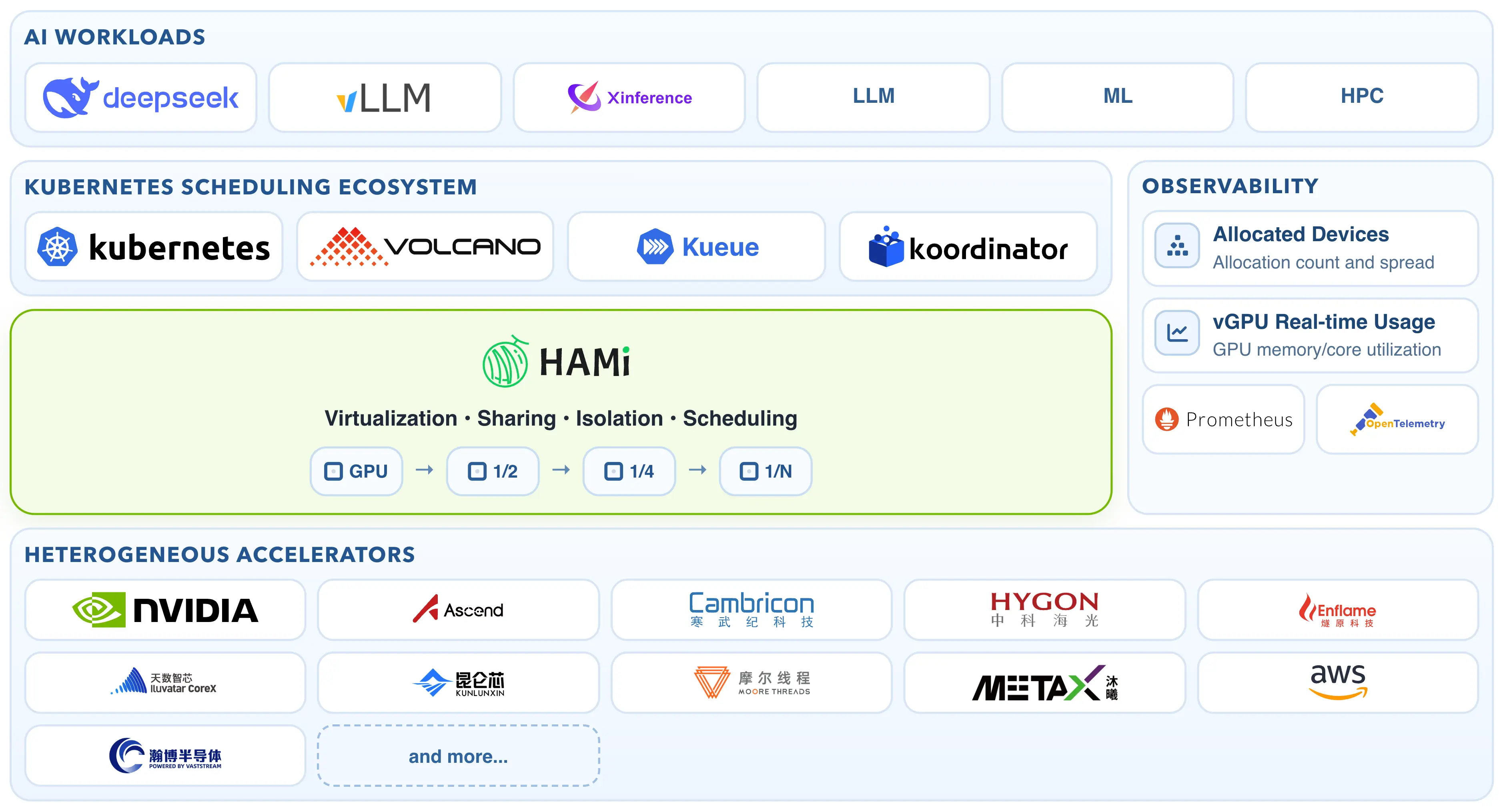 24
24GTC 2026 Eve: AI is Becoming the New Infrastructure
On the eve of GTC 2026, rethinking whether AI is becoming the new infrastructure from NVIDIA's AI Five-Layer Cake, the rise of agent runtime, to AI-native infrastructure.
阅读全文 25
25When GPUs Move Toward Open Scheduling: Structural Shifts in AI Native Infrastructure
A CTO/VP view on open GPU scheduling: CDI, Kubernetes DRA, virtualization data planes, ecosystem governance, and lock-in risk.
阅读全文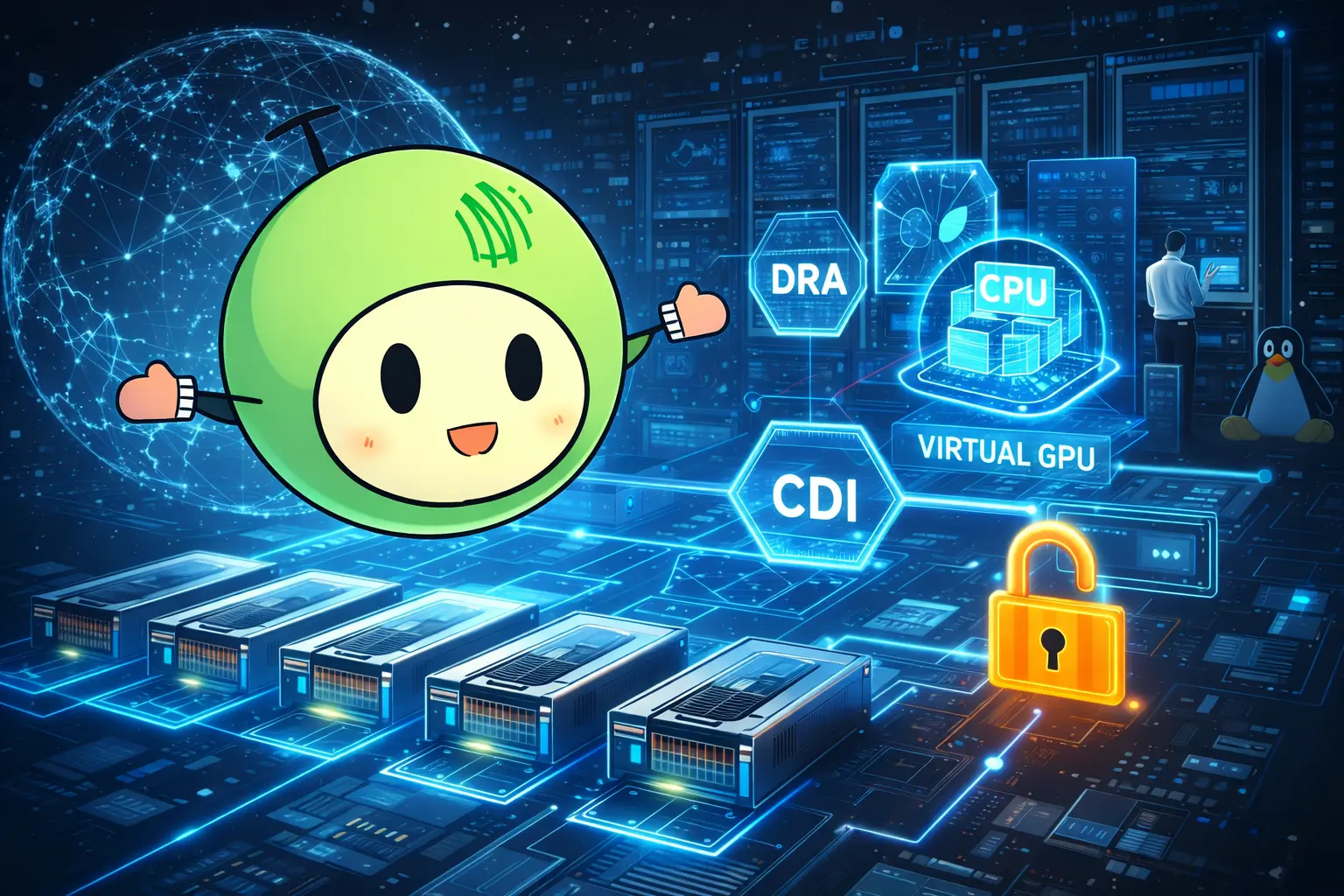 26
26AI Learning Resources: 44 Curated Collections from Our Cleanup
A curated collection of AI learning resources we removed from the AI Resources list: awesome lists, courses, tutorials, and cookbooks. These educational materials deserve their own spotlight.
阅读全文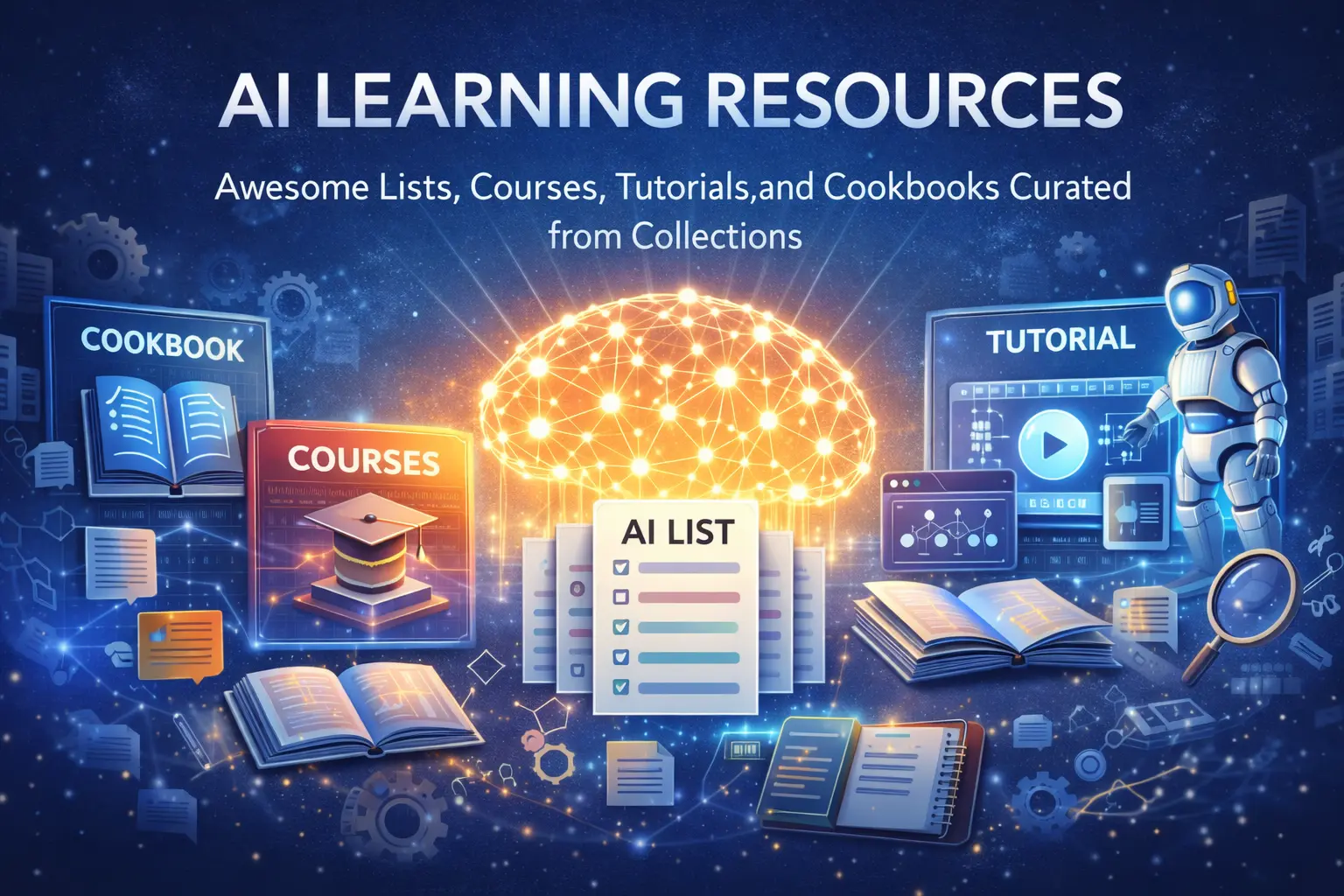 27
27Standing on Giants' Shoulders: The Traditional Infrastructure Powering Modern AI
Before ChatGPT and TensorFlow, there was Hadoop, Kafka, and Kubernetes. This post honors the traditional open source infrastructure that became the foundation of today's AI revolution.
阅读全文 28
28My First Month at Dynamia: Why AI Native Infra Is Worth the Investment
Observations from my first month at Dynamia: From cloud native to AI Native Infra, why this direction is worth investing in, and the key issues and opportunities in compute governance.
阅读全文The True Inflection Point of ADD: When Spec Becomes the Core Asset of AI-Era Software
Exploring how Spec becomes the governable core asset in Agent-Driven Development (ADD) and the trend toward control-plane engineering systems.
阅读全文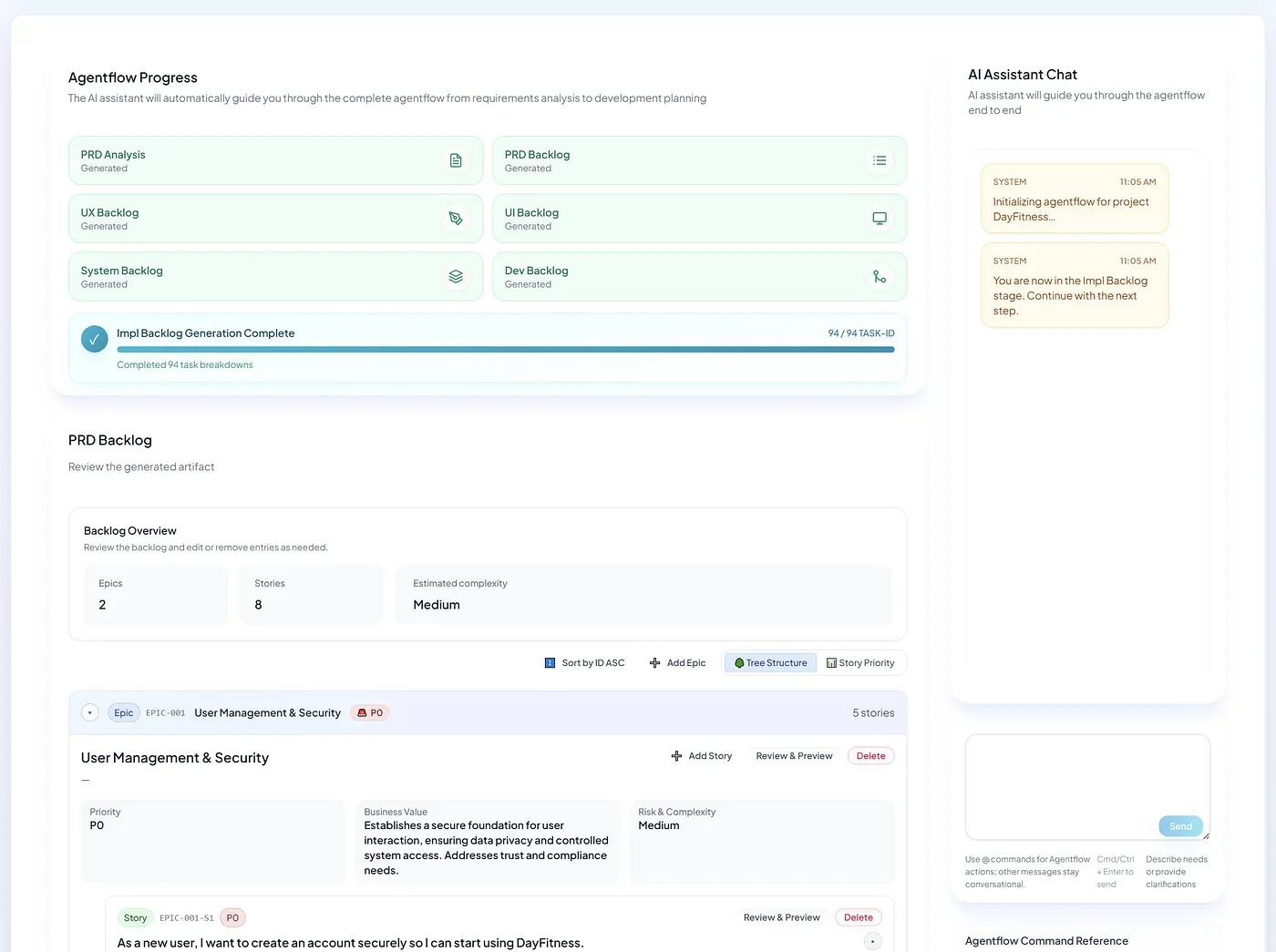 30
30AI Voice Dictation Input Methods Are Becoming the New Shortcut Key for the Programming Era
Comparing Miaoyan, Zhipu, and Shandianshuo voice input methods for developers: speed, stability, command capabilities, and cost models.
阅读全文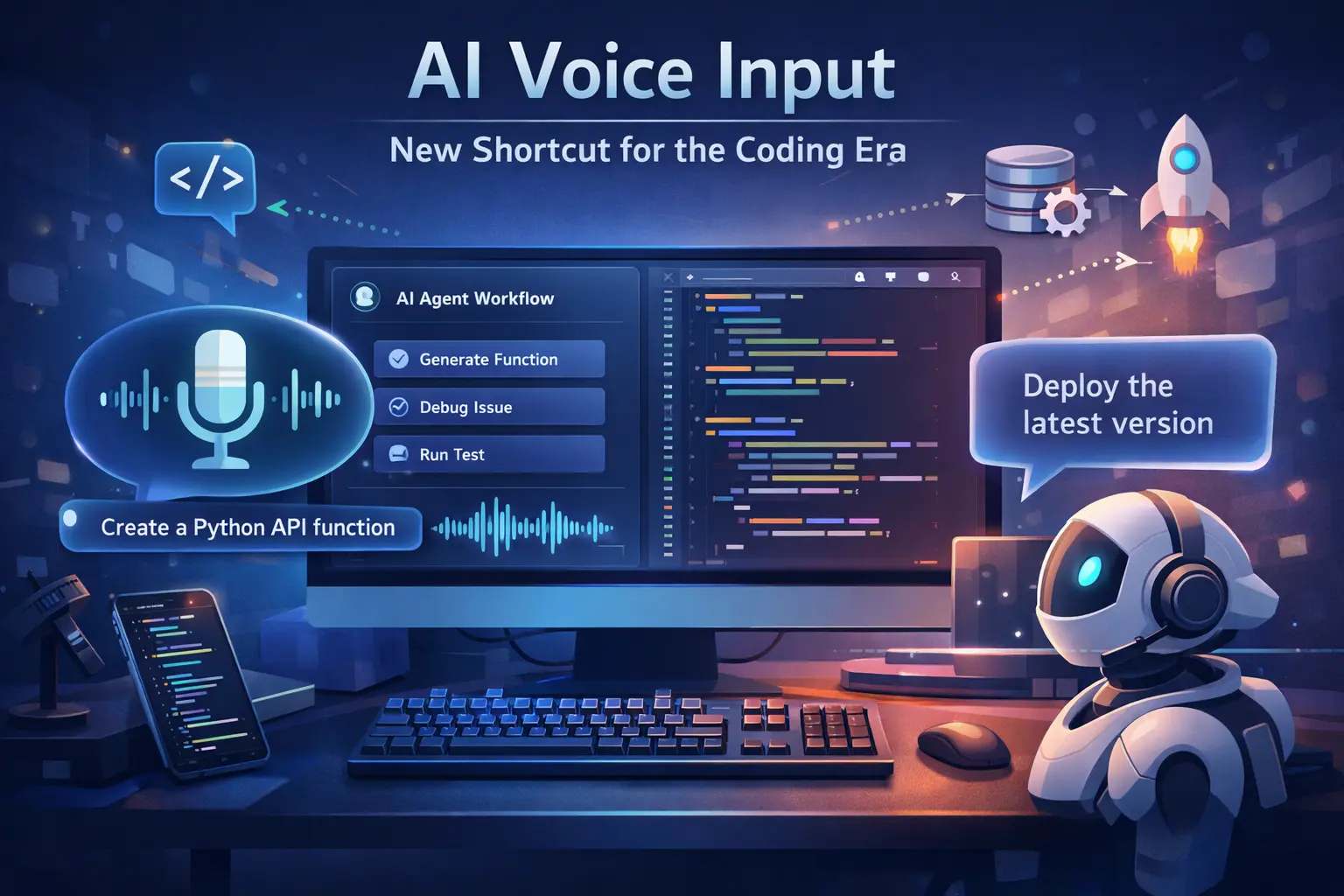 31
31Why Start with Compute Governance, Not API Design
Discussing Intent vs Consequence, why compute and cost are the first-order constraints of AI-native infrastructure.
阅读全文 32
32What Is AI-Native Infrastructure?
Core definition, boundaries, and evaluation criteria for AI-native infrastructure, focusing on model behavior, compute scarcity, and uncertainty governance.
阅读全文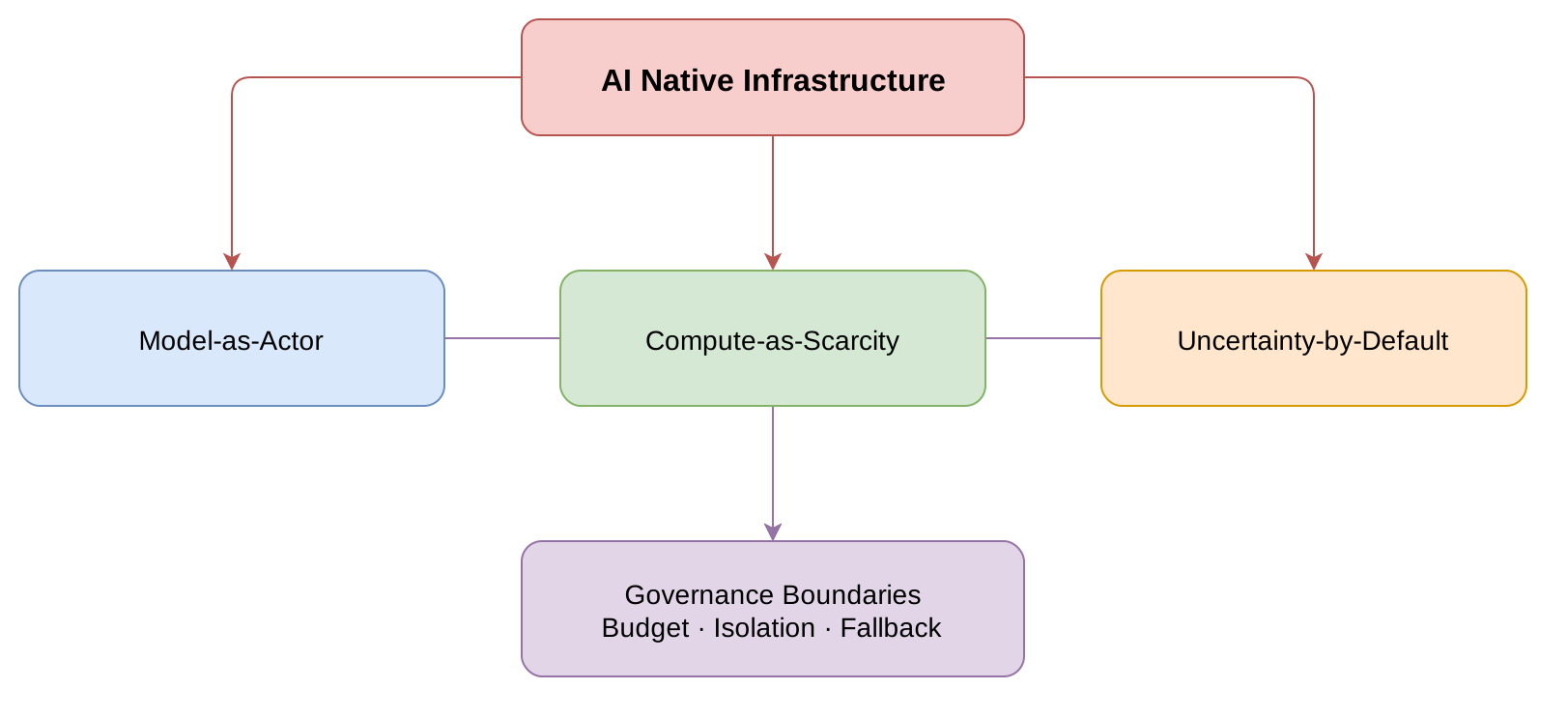 33
33Executive Checklist (10 Questions)
Ten critical questions for CEO/CTO to evaluate AI-native infrastructure readiness.
阅读全文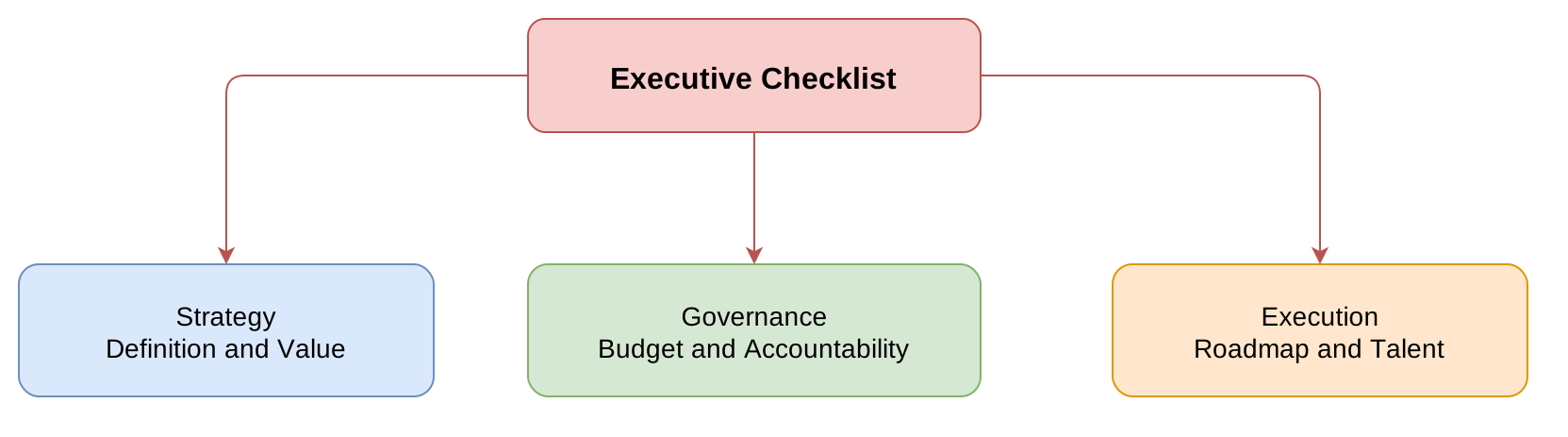 34
34Glossary
Bilingual glossary of core AI-native infrastructure terminology for aligning organizational language.
阅读全文Migration Roadmap: From Cloud Native to AI Native
An actionable roadmap for AI-native migration, covering bypass pilot, domain isolation, AI-first refactoring, and anti-patterns, with focus on governance loops and organizational contracts.
阅读全文 36
36Organization and Culture: How the Operating Model Changes
Redrawing boundaries across platform, infra, ML, and security, and transforming accountability and collaboration in the AI era.
阅读全文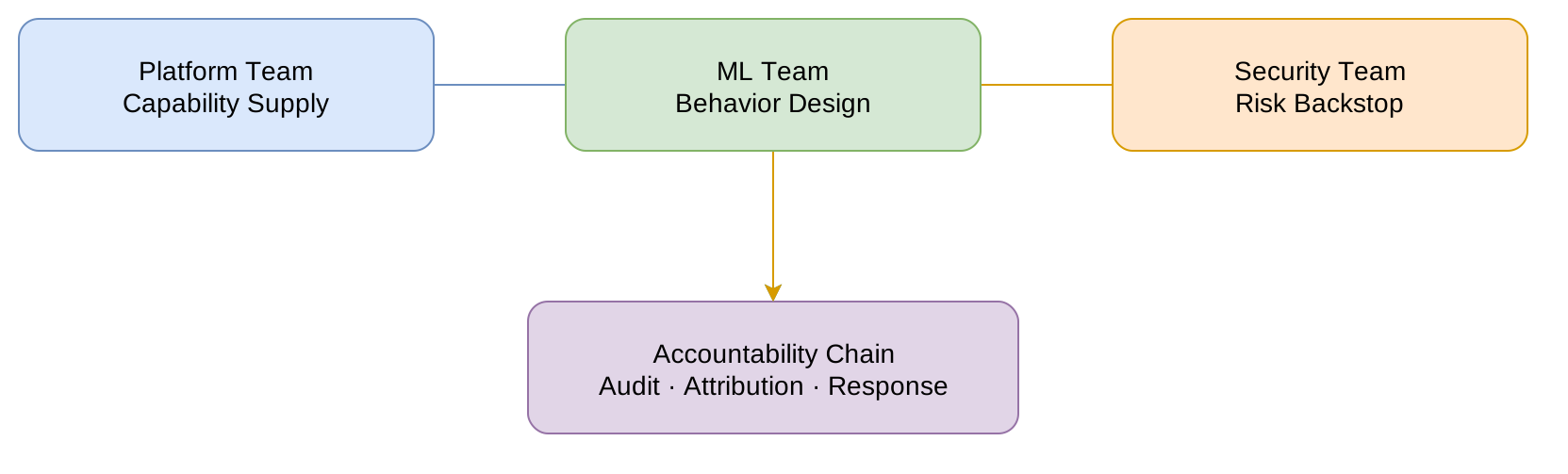 37
37Operating and Governing AI-Native Infrastructure: Metrics, Budget, Isolation, Sharing, SLO to Cost
Analyzing the closed-loop governance of metrics, budgets, isolation, and sharing in AI-native infrastructure, and explaining how SLO maps to cost and risk.
阅读全文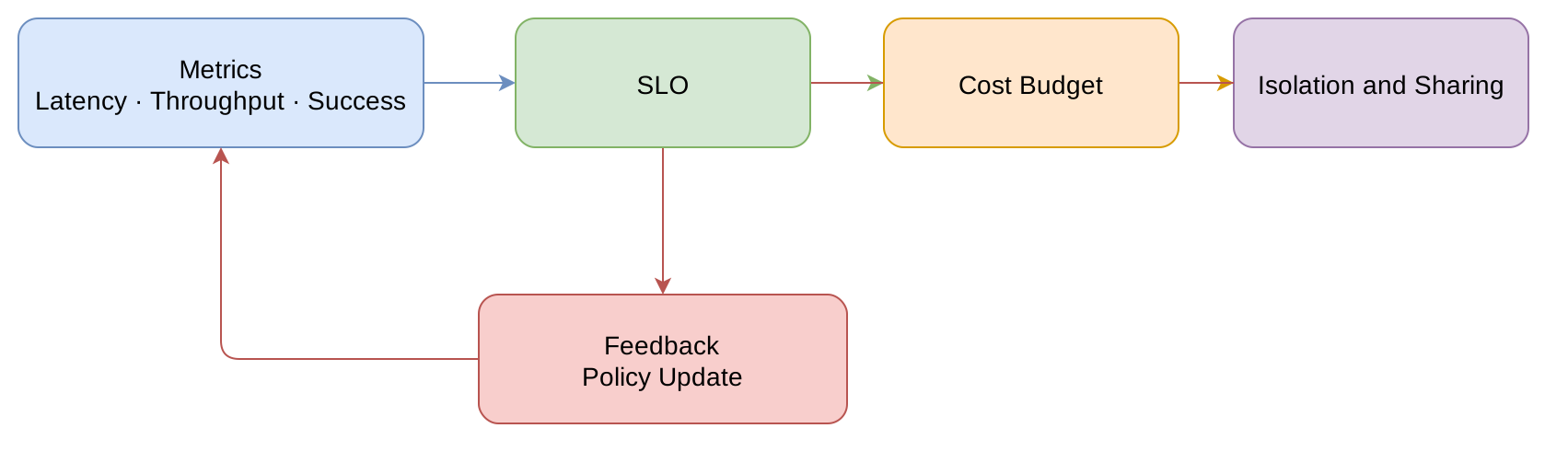 38
38AI-Native Infrastructure One-Page Reference Architecture: Three Planes + One Loop
Three planes (Intent, Execution, Governance) + closed-loop feedback for AI-native infrastructure architecture alignment.
阅读全文 39
39From Spatial Data to AI Open Source: Technical Standards, Data Sovereignty, and the Global Divide
How technical standards and data sovereignty shape AI open source paths and infrastructure competition in the global AI era.
阅读全文 40
40Joining Dynamia: Embarking on a New Journey in AI Native Infrastructure
Joining Dynamia as Open Source Ecosystem VP to drive AI-native infrastructure ecosystem development, transforming compute from hardware consumption to core asset.
阅读全文 41
41Running Parallel AI Agents on My Mac: Hands-On with Verdent's Standalone App
A hands-on experience with Verdent's standalone Mac app, exploring how parallel AI agents, isolated workspaces, and task-oriented workflows change real-world development.
阅读全文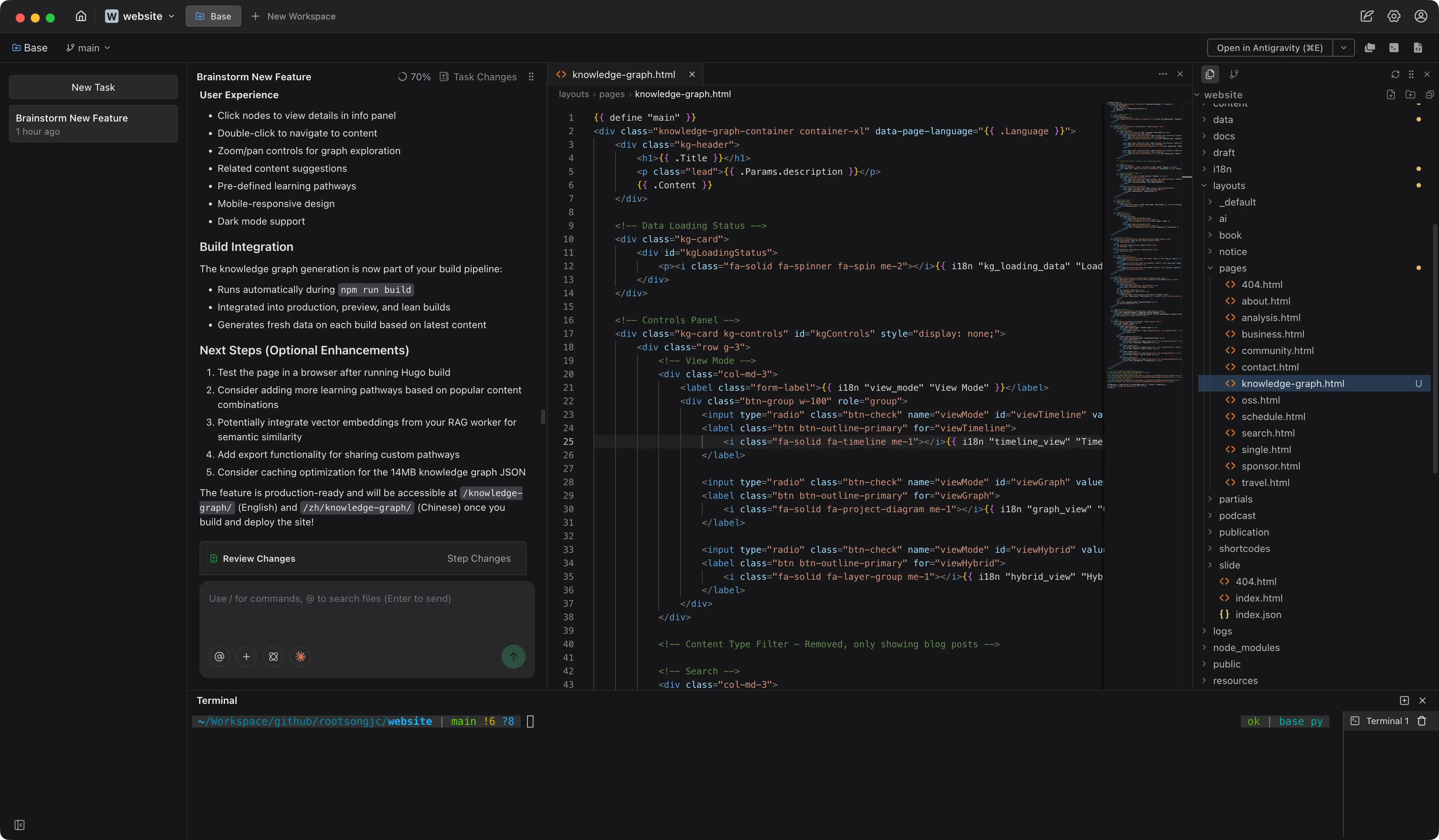 42
422025 Annual Review: The Transformation Journey from Cloud Native to AI Native
A look back at the major changes in 2025: shifting from Cloud Native to AI Native Infrastructure, AI tool ecosystem, and major website improvements.
阅读全文 43
43The Butterfly Effect After Manus Was Acquired by Meta
Manus's acquisition by Meta sparked polarized opinions. This article explores the butterfly effect in AI applications and key lessons for entrepreneurs on growth strategies.
阅读全文 44
44AI Infra Open Source in China: Analysis of Beijing and Shanghai's Plans
Beijing and Shanghai's open source plans reveal opportunities and challenges for China's AI infrastructure, balancing technology and governance.
阅读全文 45
45From 2025 Onwards, Software Engineering Shifts from Code-Centric to Runtime and Cost-Centric
In 2025, software engineering shifts from code-centric to runtime and cost governance. AI and Agents move complexity to runtime, compute, and budget layers, reshaping engineering value.
阅读全文 46
46From Cloud Native to AI Native: Why Kubernetes Is the Foundation for Next-Gen AI Agents
Explores why AI Agents need Kubernetes infrastructure and how Agent orchestration, MCP services, and AI gateways enable production-ready AI architectures.
阅读全文 47
47AI Open Source Landscape: A One-Stop Guide to AI Project Navigation and Scoring System
Comprehensive introduction to the AI Open Source Landscape's positioning, interface, scoring model, and data mechanisms to help developers efficiently discover quality AI projects.
阅读全文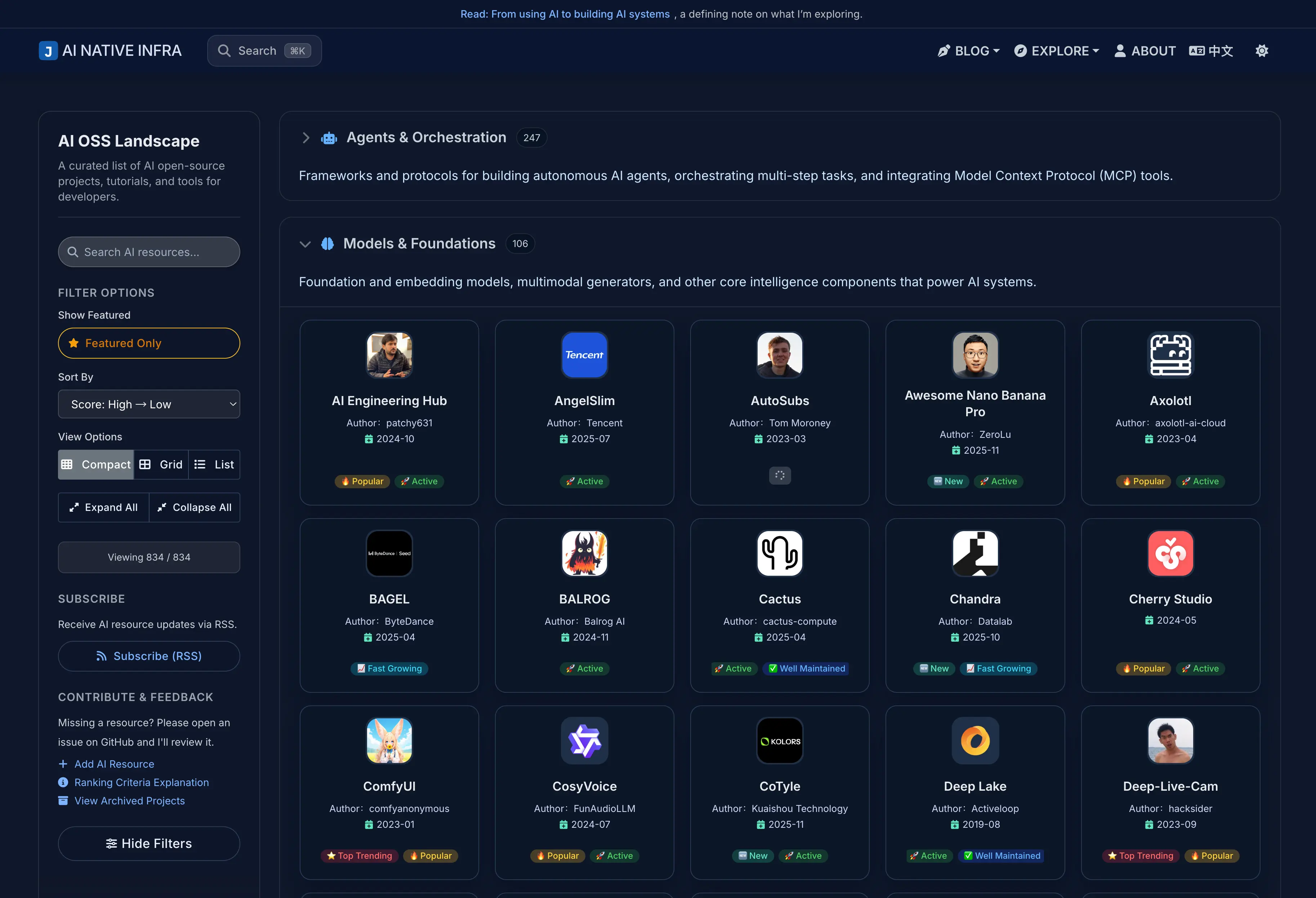 48
48AI 2026: Infrastructure, Agents, and the Next Cloud-Native Shift
2026 AI's turning point: not models, but infrastructure, agentic runtimes, GPU efficiency, and new organizational forms.
阅读全文 49
49What I Saw at COSCon'25: The Real State of Open Source in China
From an engineering and organizer's perspective, real changes at COSCon'25: AI as the default backdrop, discussions returning to engineering issues, and Chinese open source entering a long-term phase.
阅读全文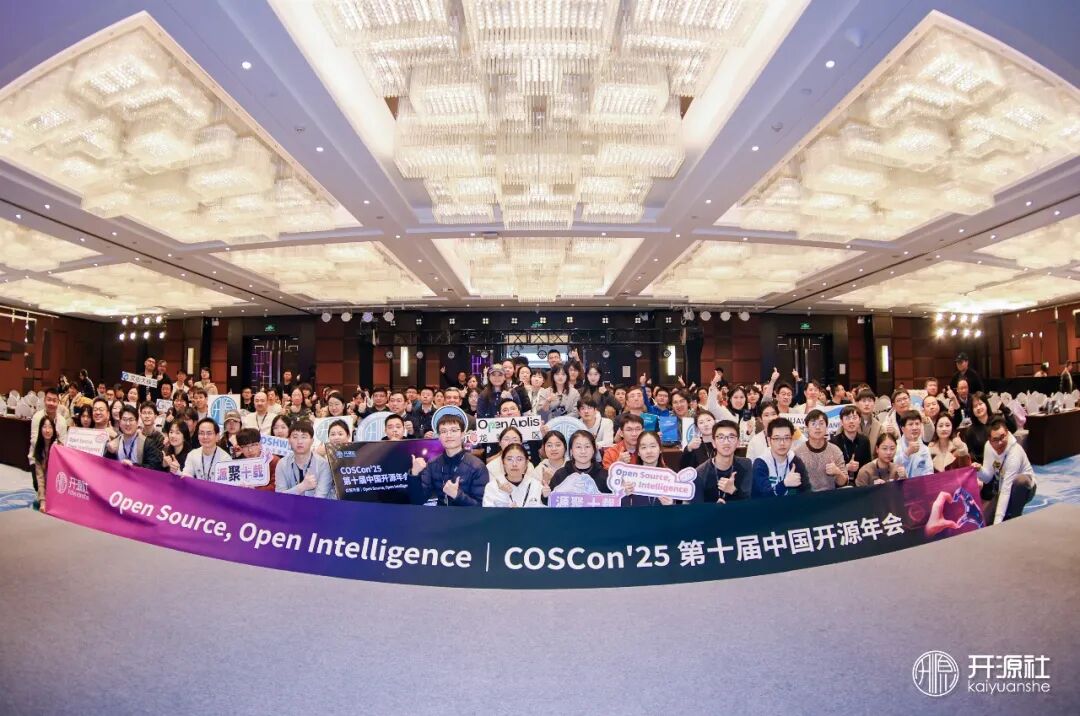 50
50Decoding Goose: Why It Joined AAIF and What This Means for Agentic Runtime
An analysis of Block's Goose project, why it became one of the first Agentic AI Foundation (AAIF) projects, and what this means for Agentic Runtime and the evolution of AI-Native infrastructure.
阅读全文